What’s New at LBMA This Fall
More about What’s New at LBMA This Fall
Fall 2026 Newsletter
A new season brings fresh exhibitions, stories, and ways to connect at LBMA. Explore what’s coming to LBMA Ocean and LBMA Downtown, meet longtime Museum members Jeffrey Mallin MD and Marco Pizzo, learn more about LBMA’s connection to the community, and get a head start on year-end giving.
Click here to download the PDF version.
This newsletter was designed for print. For the best reading experience, we recommend viewing the PDF.
Fall Exhibitions
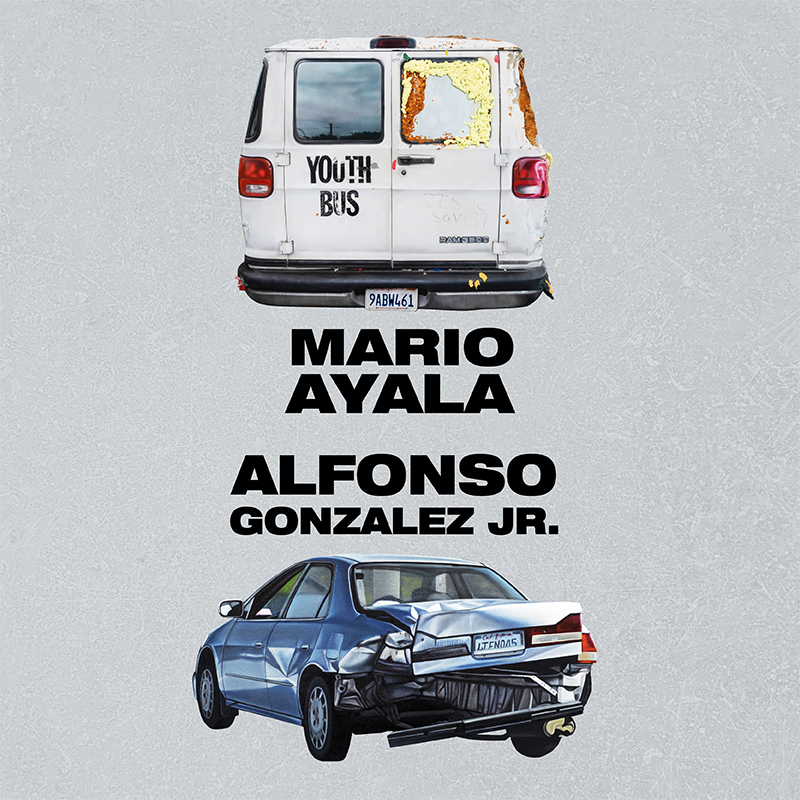
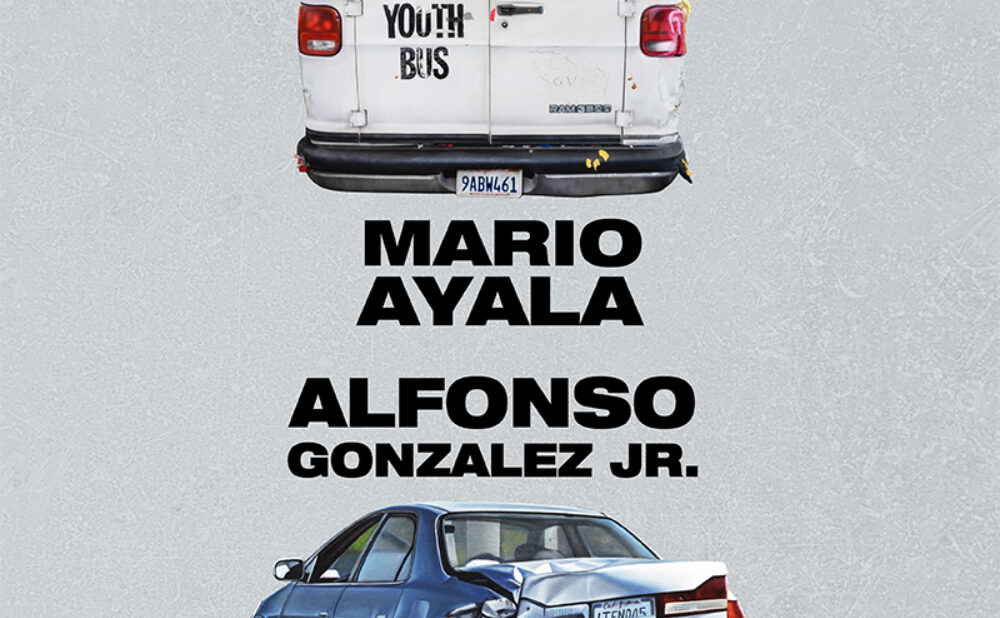
Mario Ayala & Alfonso Gonzalez Jr.
October 16, 2026 – February 28, 2027

DABSMYLA
November 14, 2026 – March 28, 2027
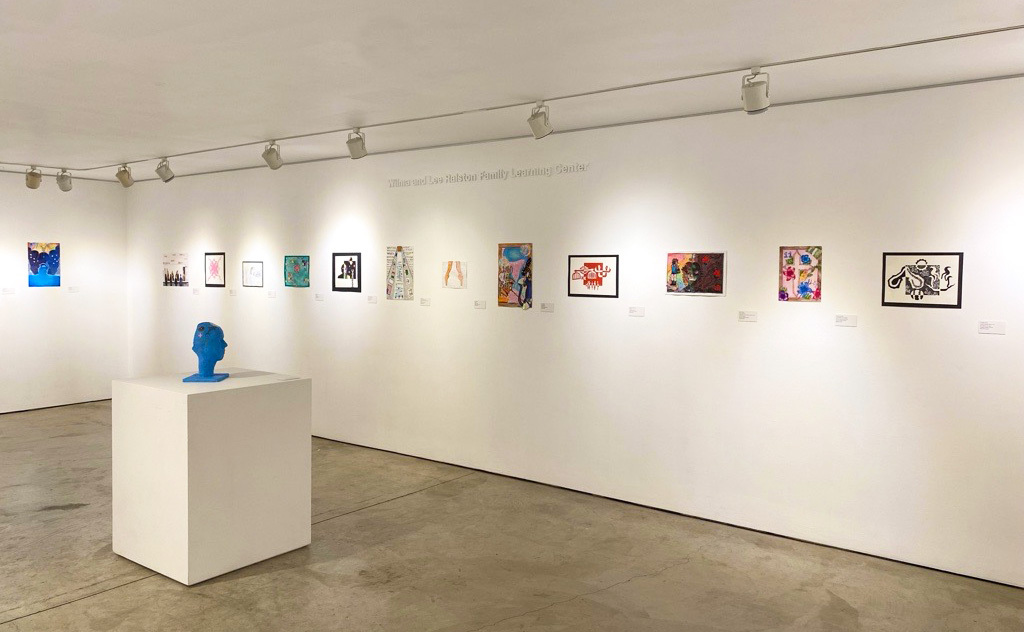
Beyond the Page: LBUSD Middle School Exhibition
November 15, 2026 – Feb 28, 2027
Books and art are both vessels for telling stories and sharing ideas. They are deeply connected—artists draw inspiration from books, while books incorporate art to bring ideas and stories to life. This year, for the Museum’s annual Long Beach Unified Middle School exhibition, students were invited to move beyond the page and create artwork where words, images, and materials collide in creative ways.
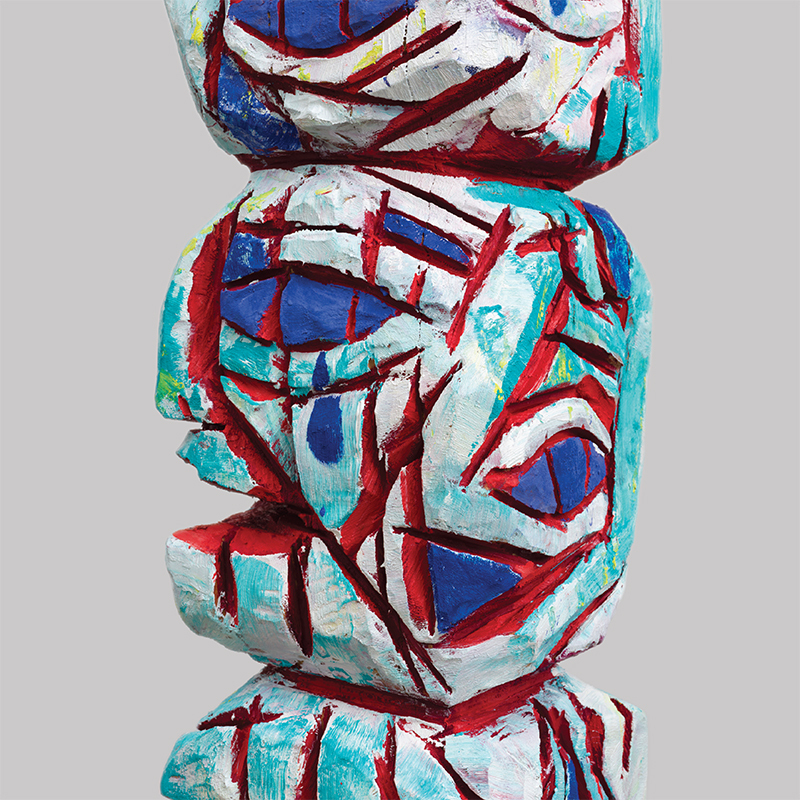
Shapes, Places, and Faces: New Acquisitions 2025
August 22, 2026 – October 25, 2026
Upcoming Programs
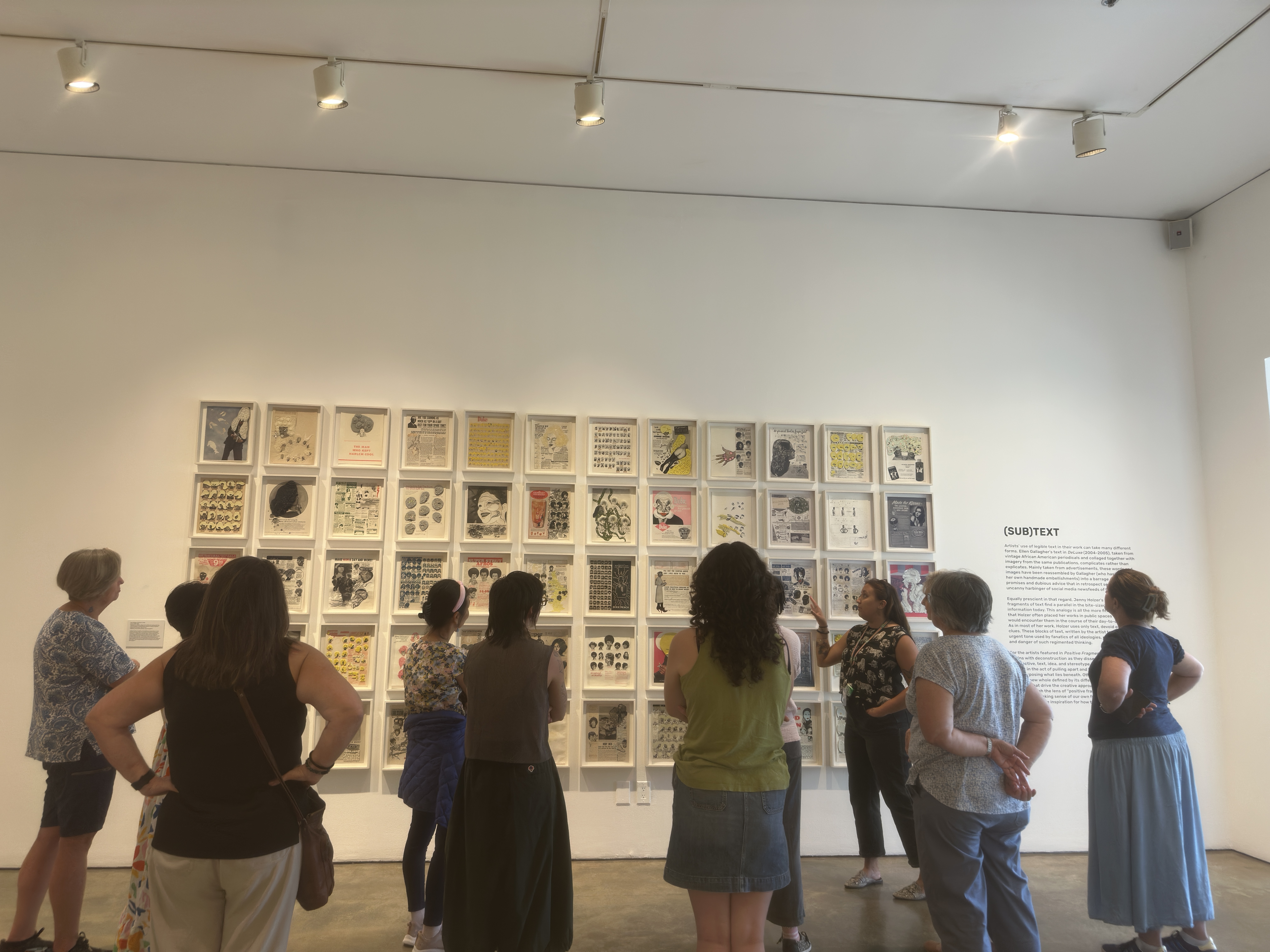
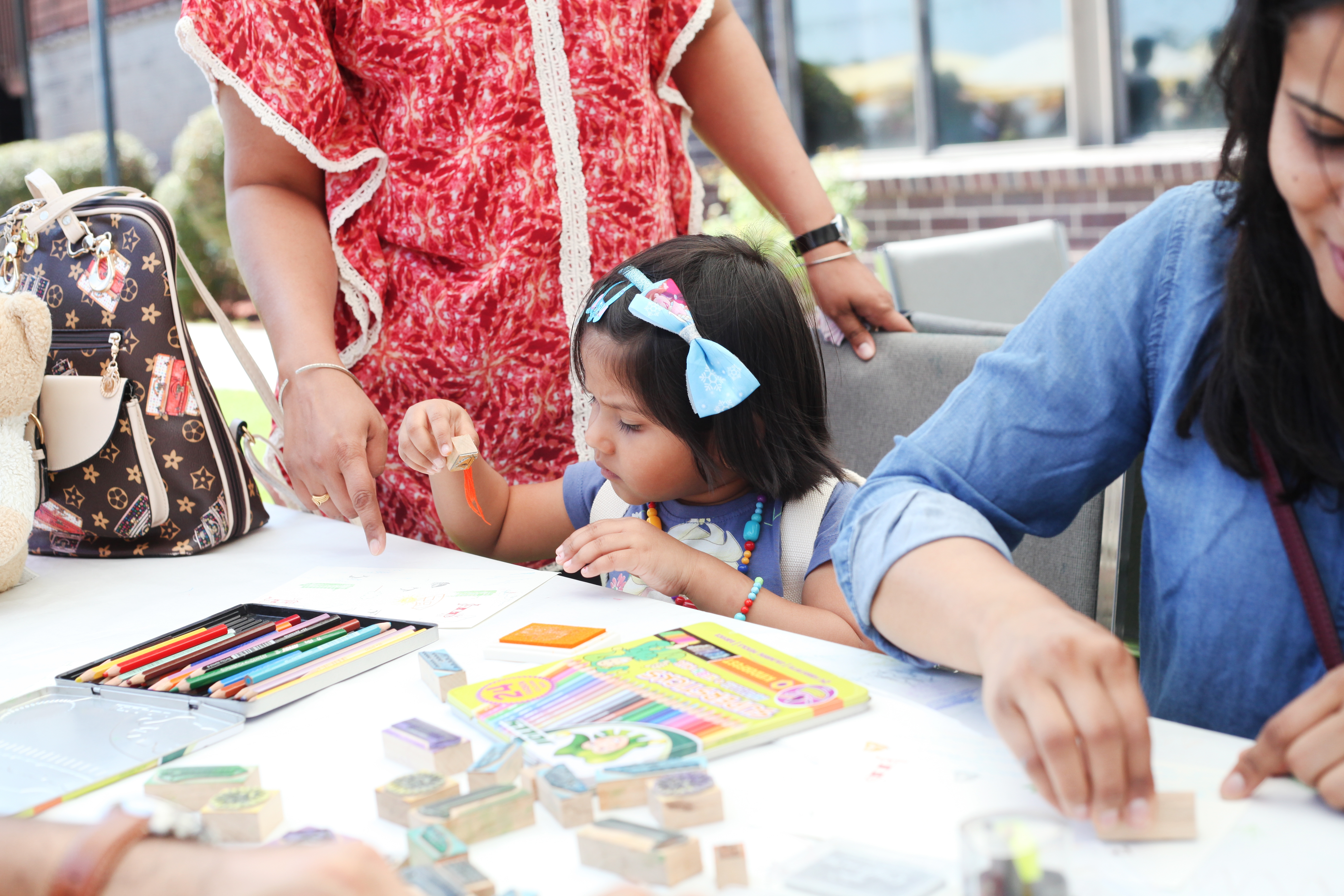
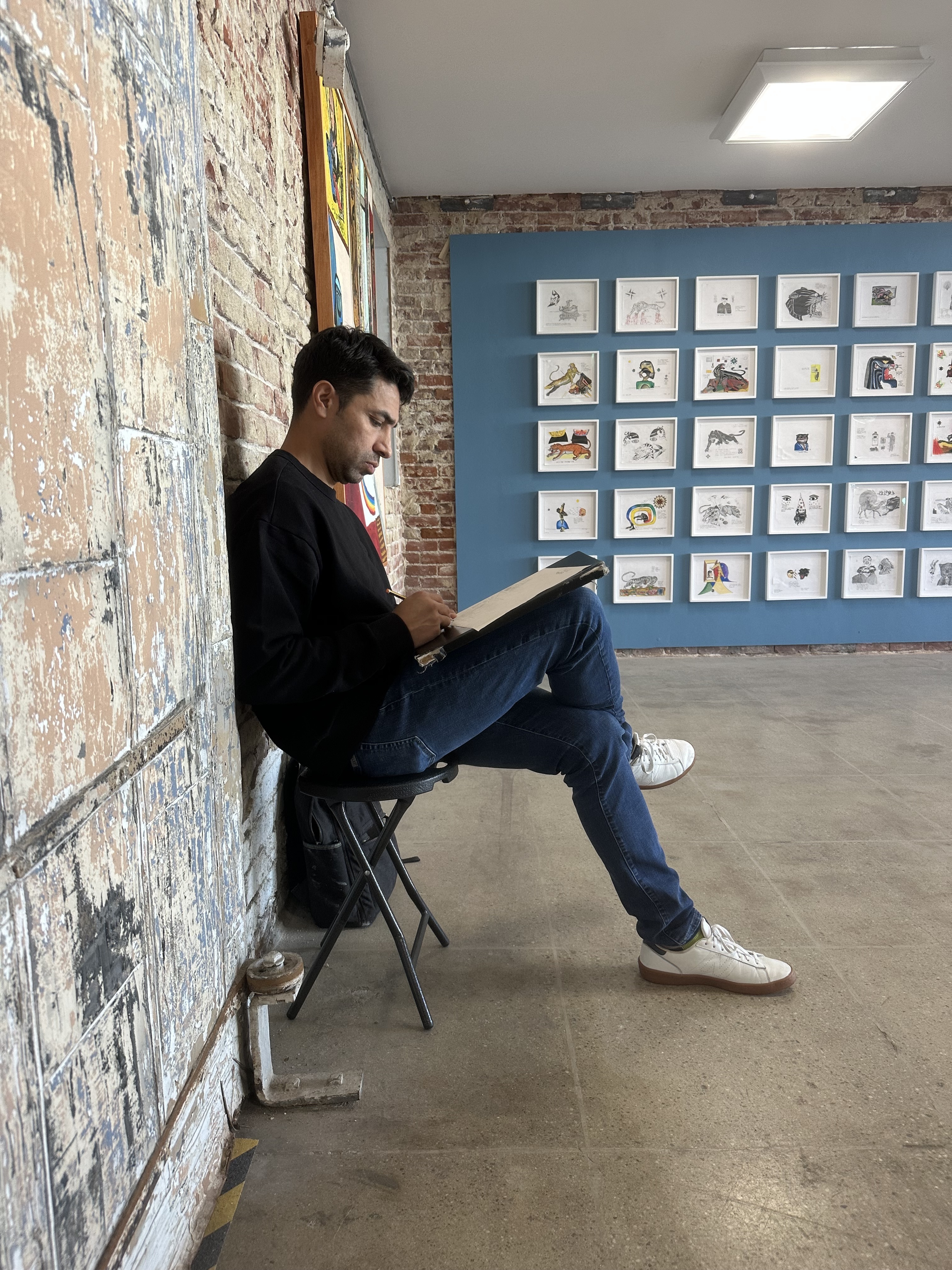
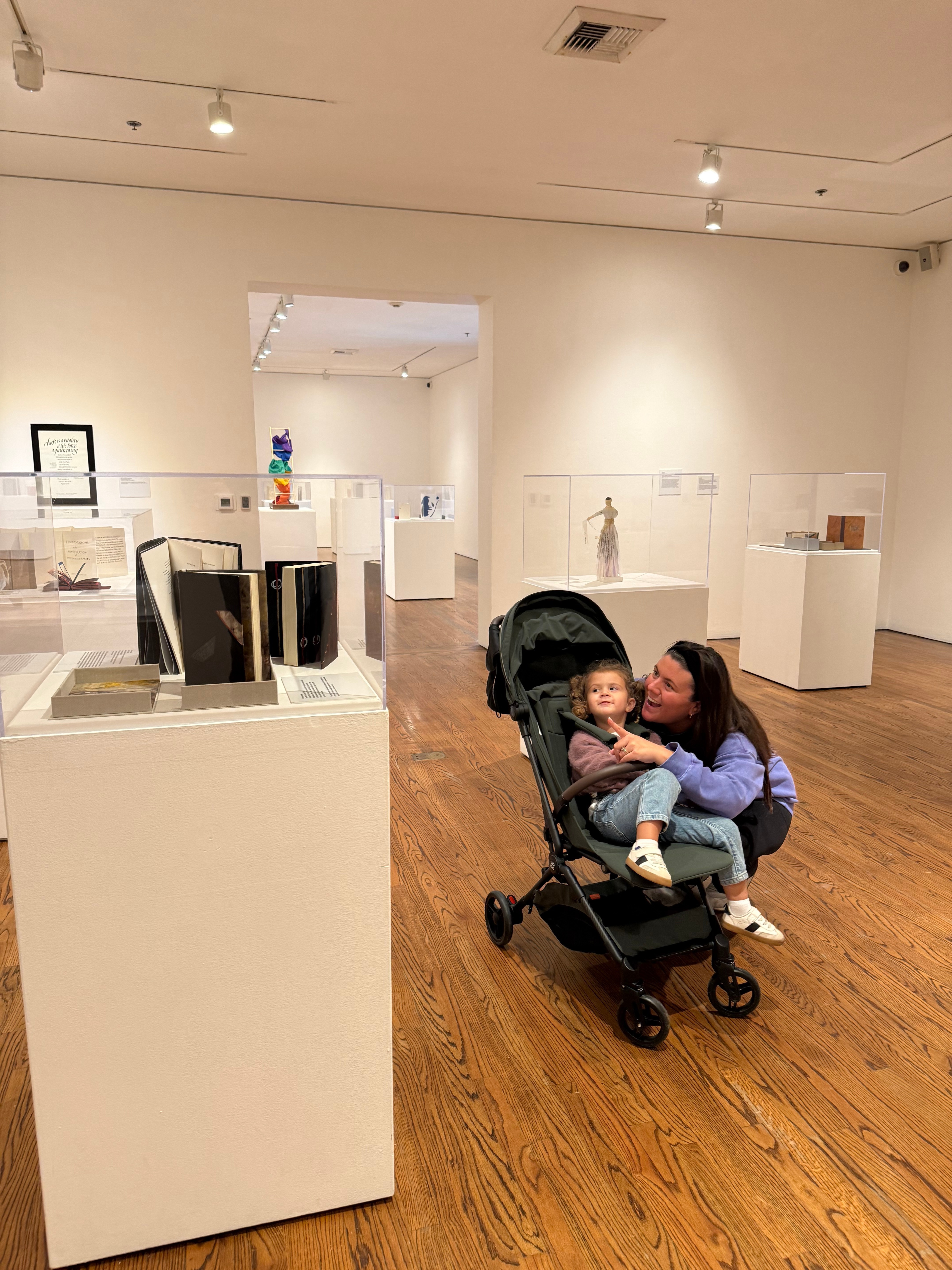
• ArtChat - every Thursday & Friday @ 12p–2p
• Family ArtMaking - Oct. 18, Nov. 15, & Dec. 20 @ 11a–1p // FREE for all
• Downtown Draws - Oct. 4 & Dec. 8 @ 11a–1p // FREE for all
• Stroller Tours - Oct. 30, Nov. 20, & Dec. 18 @ 1030a–11a // Ticket includes gallery admission
Year-End Giving: A Little Early Planning Goes a Long Way
As fall arrives, many friends of the Long Beach Museum of Art begin thinking about year-end charitable giving. If you are considering a gift from your IRA or a gift of appreciated stock, now is the time to start the conversation.
The Museum’s next newsletter is expected around December 21, which may be too late to begin these gifts and complete them by December 31. IRA custodians, brokerage firms, and charities all need time to process transfers—especially during the busy holiday season.
For donors age 70½ or older, a qualified charitable distribution, or QCD, can be a tax-efficient way to support the Museum. A QCD must be transferred directly from your IRA trustee to a qualified charity. It may count toward your required minimum distribution, but it is excluded from income rather than claimed as a charitable deduction. The annual QCD limit for 2026 is $111,000.
Another helpful year-end strategy is donating long-term appreciated publicly traded stock directly to the Museum. In general, this may allow you to claim a deduction for the stock’s fair market value while avoiding capital gain on the appreciation. However, timing matters: the gift is complete only when the shares are transferred into the charity’s account—not when you give instructions to your broker.
If you are considering either type of gift, please contact your advisor, custodian, broker, and the Museum well before December.
For assistance, please contact: Iris Quiroz, Director of Institutional Development at irisq@lbma.org or (562)439 2119 ext. 336.
— Donita Joseph, CPA, MBT, LBMA Advisory Board
Meet Longtime Museum Members, Jeffrey Mallin, MD and Marco Pizzo
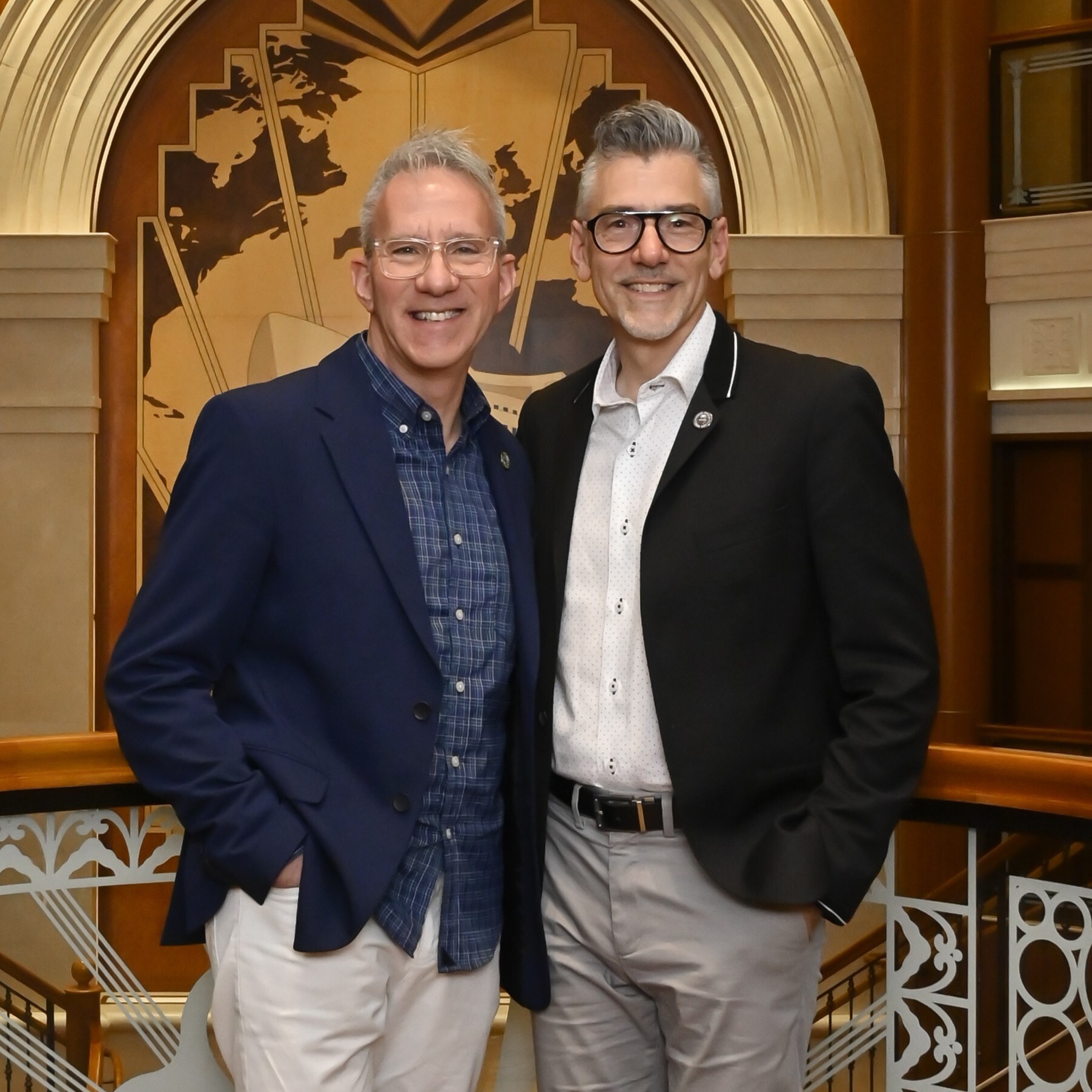
After 22 years as members, what still excites you about visiting the museum? Having been married at the Long Beach Museum of Art (LBMA) in 2008, walking the grounds and dining at Claire’s feels like coming home. We take pride in this world-class institution. The welcoming staff makes us feel like family. Alongside that nostalgia, each new exhibit brings fresh excitement. Plus, the art auctions have connected us directly with artists who are now dear friends, adding deep meaning to our lives.
Which exhibits made an impact on you?
Gerit Grimm, Beyond the Figurine, 2012, her larger-than-life, earth-toned ceramic sculptures conjured up folklore with an appealing, old-world quality. Vitality and Verve, 2015, street artists painted murals directly onto interior walls. Knowing this dynamic work was temporary gave it a rare, fleeting quality. Glimpsing the artists’ process created a lasting memory. Bob Mizer, Vintage Physique, 2019 challenged societal norms by celebrating the male physique.
Do you have a favorite artist?
Not really. We appreciate diverse creators but especially value LBMA exhibiting artists who became friends, including Peter Zokosky, Shay Bredimus, Danny Heller, John Culqui, Dana Title, Cynthia Evans, and Sarah Arnold. They taught us to respect the passion that drives all art.
What advice would you give to people considering becoming museum members? Just do it! It is affordable, exposes you to new perspectives, and connects you with your local community. Membership is simply part of calling Long Beach home.
Join or Renew LBMA Membership today!
Visit https://lbma.org/support/membership or contact Karen Steffani, Manager, Membership and Visitor Services at karens@lbma.org or 562 439-2119 ext. 239
Museums and Community
The Long Beach Museum of Art engages our community in many ways. My favorites are as follows:
KidsVisions tours – Available to fifth-grade classes in the Long Beach Unified School District, and provides positive gallery experiences and art-making activities to students. They each receive passes so they can plan a return visit with their families.
Sunsets at the Museum – Held on the third Thursday in July and August, brings community members together to enjoy art, music, and summer fun, while watching the sun set from The Bluffs.
Stroller Tours – This recently initiated program provides parents, who might otherwise shy away from museums because they fear their young children may be disruptive, with a more inviting and relaxed opportunity to visit.
Family ArtMaking – Encourages community members to connect with our current exhibitions by creating small art projects that are linked to a work of art.
Outreach Events – Linked to the Long Beach Public Library, Aquarium of the Pacific, and Long Beach Symphony Orchestra, these events connect the Museum to the broader cultural context.
One feature that each of these have in common is intentionality. Regardless of the size of the museum or the community, museums can either be a part of their community or apart from it. The difference is an institution that makes an intentional effort to engage.
Engaging means knowing the many communities that comprise this greater whole. It means not waiting for community to come to the museum, but making the first move. It means going beyond connecting by establishing contact, awareness, and basic relations links—moving to active, ongoing, and two-way processes. — Jordan Horowitz, Docent Council
Mario Ayala + Alfonso Gonzalez Jr.
How do we define a city? Historians and scholars often construct linear narratives through significant years and monumental events that have shaped a place. But the cultural structure the bones of a city such as Los Angeles is more elusive. Its identity lives in its people, music, food, neighborhoods, architecture, landscapes, and the countless stories passed from one storyteller to the next. These oral and visual narratives create a collective portrait of a place, revealing how a city’s character is continually formed through networks of people, experiences, and cultural exchange.
Within this history, the artist becomes a storyteller, translating the nuances of humanity and the social structures of our environments into a visual language. Painting can become both document and interpretation: a way of seeing, remembering, and engaging with the world around us.
The Long Beach Museum of Art presents a focused selection of collaborative and parallel works by Mario Ayala and Alfonso Gonzalez, Jr., tracing the evolution of their practices from 2020 to 2026. For six years, the artists have worked alongside one another in the same Los Angeles studio building, developing distinct practices through proximity, conversation, shared references, collaboration, and an ongoing exchange of images and techniques.
The exhibition explores how two artists can inhabit overlapping visual and physical worlds while arriving at markedly different ways of constructing an image. Works selected from the Museum’s permanent collection extend this dialogue across generations, reflecting on craft, inheritance, and the evolving relationship between painting as trade and painting as fine art. — Paul Loya, Deputy Director of Exhibitions & Collections
Shapes, Places, & Faces celebrates 75 years with gifts to the permanent collection

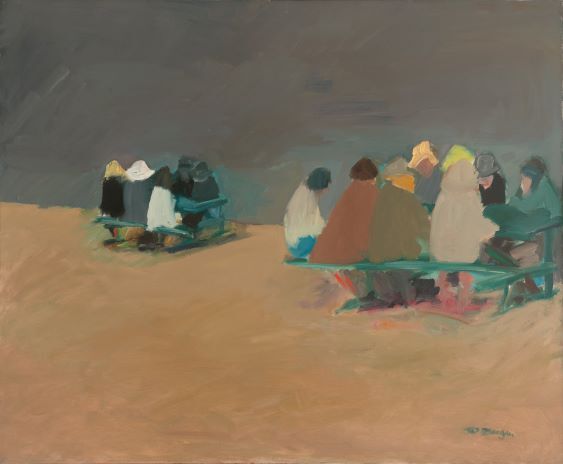
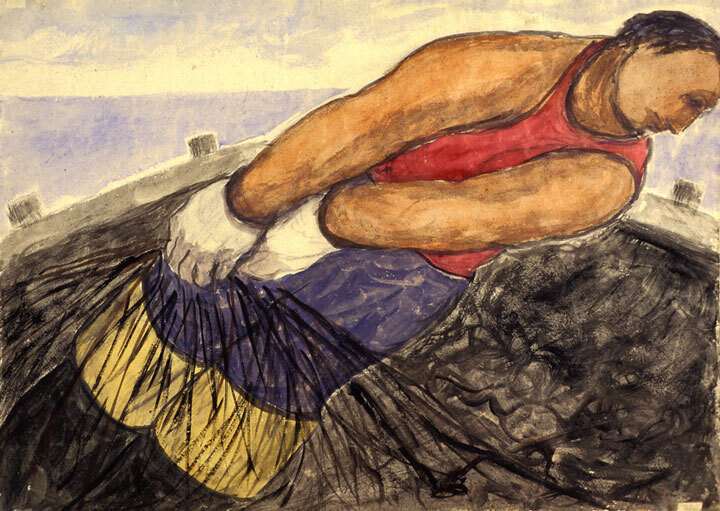
When the City of Long Beach purchased the property at 2300 E. Ocean Blvd in 1950, it was clear that the community wanted an art space. But what would it be? An exhibition space? A museum? A defining characteristic of a museum is a place for collections cared for in perpetuity. Colonel Heartwell—of the LB Water Dept.—promised the City his art collection if the City would establish a museum. The City was already saving WPA paintings left by the Federal Works Progress Administration in scattered among City departments.
The administration of the new art center was under the umbrella of the Long Beach Public Library. A program of contemporary art exhibitions was established and rotated among the Long Beach Public Library branches and the Municipal Art Center. Exhibiting artists were asked to donate a work of art, thereby starting a collection. Among the early community supporters was the Long Beach Little Club, a woman’s benevolent organization which wanted to support a collecting institution. They provided funds to purchase paintings by de Erdeley and Eugene Berman. Collectors, artists, local organizations, and citizens have all continued to add to the permanent collection ever since with purchase prizes and bequests.
When you visit an exhibition of the permanent collection, note the credit line. You will see a great variety of donors—artists, collectors, benefactors, civic associations, and organizations like Rick Rackers or the Naval Shipyard Employees Association. In addition to the credit line, the acquisition number is the year of the gift. Every artwork has a unique number after the year. As a Museum, the roles of curator and registrar are key to safely caring for and recording the collection.
In 1957 to acknowledge the responsibility for a permanent collection, the art center was chartered as the Long Beach Museum of Art. As it did from the beginning the Museum continues to present and collect contemporary art in all media. The permanent collection also reflects the early and continuing support of women artists in solo and group exhibitions. The Museum has digitized ceramics, modernist art, and women artists in the permanent collection in the online Web Kiosk. We celebrate all the collectors, artists, staff and community who have built this collection. It is a reflection of the arts in Southern California. Visit LBMA Downtown to see the new acquisitions gifted in the 2025 anniversary year. — Sue Ann Robinson, Curator Emerita